

Retirees in Australia who dream of growing fruit trees, keeping a few chooks and living more simply often start with the same question: what kind of home will actually support those homesteading hobbies? Choosing the wrong property can turn a gentle retirement project into a full-time headache, so it pays to think beyond “pretty view + veggie patch”.
At-a-glance essentials
- Decide first whether you want a suburban block, regional town lot, or true rural acreage — each supports homesteading very differently.
- Check water options in detail: tanks, bore, town supply, plus what’s allowed for greywater reuse in your state.
- Understand bushfire risk, building standards and insurance costs before you fall in love with a property.
- Make sure your health, energy levels and budget match the amount of land and maintenance you’re taking on.
- If you might sell eggs, preserves or seedlings later, choose a location and layout that can support a small home-based business.
Water, soil and climate: the backbone of any homestead
Australia is the driest inhabited continent, and homes and gardens account for a significant share of our water use. For retirees who want to grow food, getting the water story right is non-negotiable.
- Town water: Simple but can be expensive for large gardens.
- Rainwater tanks: Essential on many rural blocks; check tank size, roof catchment area and condition of gutters and filters.
- Bores, dams, creeks: Ask for recent water tests and any licences or allocations attached to the land.
Greywater (from showers, basins and laundry) can often be reused for irrigation or toilet flushing if systems meet state guidelines and local council rules. If you’re hoping to water fruit trees with household greywater, factor in:
- Is there already a greywater system installed?
- Are you prepared for the maintenance and the need to use greywater-safe detergents?
When your hobby might become a little business
Some retirees find their “just for fun” efforts — honey, seedlings, sourdough, preserves, fibre crafts — start attracting paying customers at markets or online. If you’d like to deepen your skills, you could look at formal study such as a bachelor in business and management to build capabilities in leadership, operations and project management, which can all support a small homestead-based enterprise. Online business management programs like this are designed so you can fit study around your seasonal garden work and market days rather than the other way around.
How different property types stack up
| Property type | What it suits | Watch-outs for retirees |
|---|---|---|
| Suburban block (metro) | Herbs, compact veg beds, a few fruit trees, 3–4 hens | Council limits on animals; overshadowing from neighbours; smaller sheds. |
| Regional town block | Larger veg garden, mini orchard, more water-tank space | Check hospital access and public transport. |
| Small acreage (1–5 acres) | Serious food garden, small livestock, multiple sheds | Fencing and mowing time; need for ride-on mower or quad. |
| Larger rural block (5+ acres) | Full homestead: animals, orchards, firewood, dams | Higher fire risk, longer emergency response times, more complex due diligence. |
Use this as a reality check: if the “watch-outs” column makes you tired just reading it, consider stepping down a size.
A handy Australian resource for sustainable home design
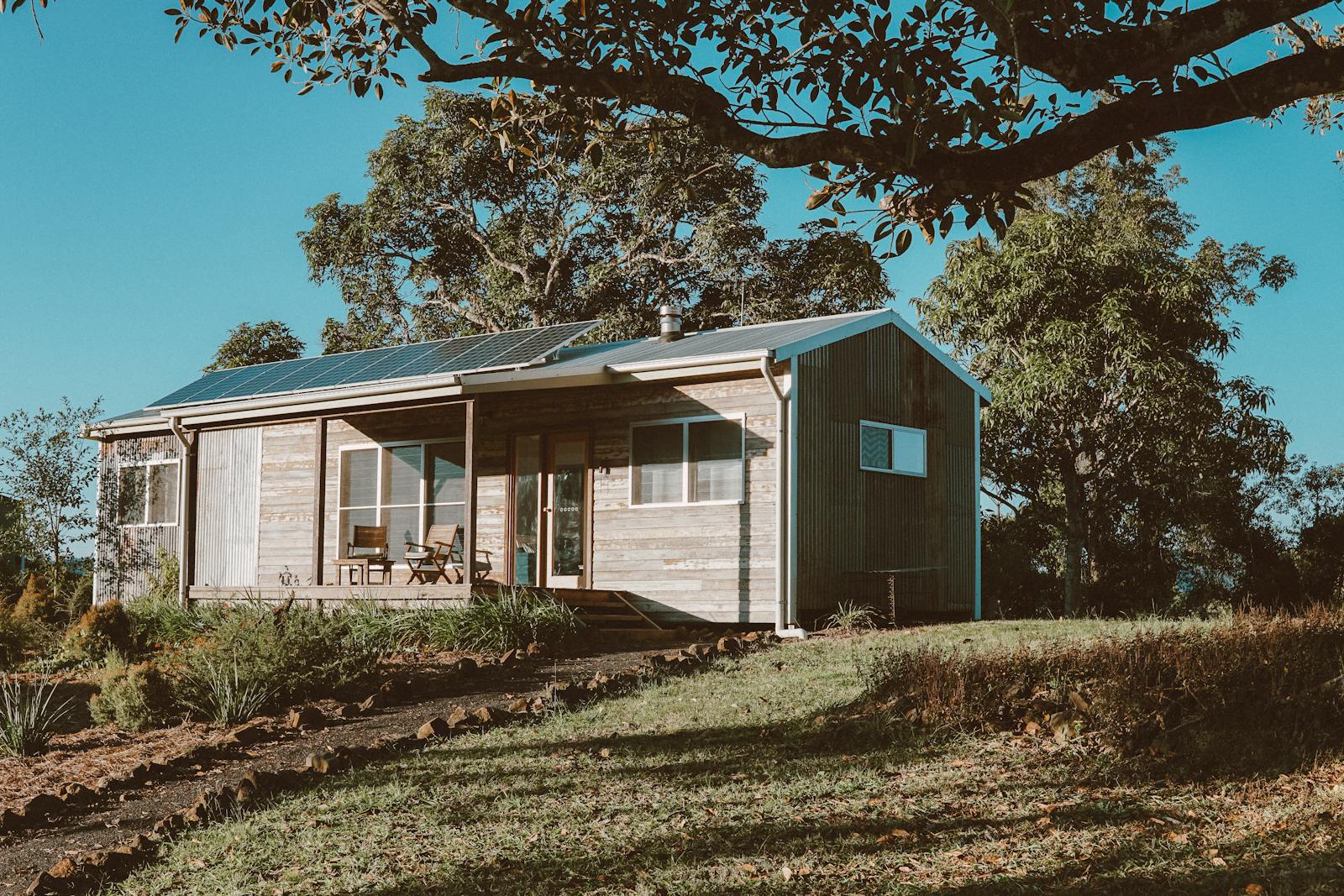
Before you buy — or once you’ve settled in — it’s worth exploring Your Home, the Australian Government’s guide to environmentally sustainable homes. The site and companion book explain how to design, buy or renovate a home that’s energy-efficient, comfortable in Australian climates and economical to run, with practical advice on water, passive cooling, materials and more.
Questions retirees often ask
Q: Do I have to move far from the city to “really” homestead?
Not at all. Many Australians practice a form of “suburban homesteading” with intensive veggie beds, composting, beekeeping or a few hens on a normal block. Rural land simply gives you more space — and more maintenance.
Q: Is off-grid living realistic in retirement?
It can be, especially on sunny, well-watered blocks, but be honest about your appetite for systems maintenance. Solar, batteries, septic systems, pumps and filters all need regular monitoring and occasional repairs. Paying for professional help should be built into your budget.
Q: How much land do I really need to grow most of my own fruit and veg?
For many couples, a well-designed garden on 400–800 m² of usable yard can produce a surprising amount of food, especially with vertical gardening and succession planting. Acreage mainly adds room for animals, firewood, larger orchards and privacy.
Q: Are there special loans or grants for retirees wanting a small farm?
There are often state-based rebates for things like rainwater tanks, greywater systems or solar, but not specific “homesteading loans”. A good mortgage broker or financial planner can help you weigh up using super, downsizing proceeds and standard home loans.
Wrapping it all up
Buying a home that genuinely supports your homesteading hobbies is less about romance and more about matching land, water, rules and workload to the way you actually want to live. When you check the practicalities — especially services, bushfire risk, zoning and water — you protect both your savings and your future comfort. The right property will let you ease into a slower rhythm: pottering in the garden, preserving a good harvest and maybe selling a little surplus on the side. Take your time, ask lots of questions, and choose the place where your later-life energy and your homesteading dreams can happily meet.


